Eco-Friendly Approaches: How E-Waste Recycling Services Are Preserving Our Planet
E-waste represents a considerable hazard to the environment, as discarded electronics often contain toxic materials. These toxic materials have the potential to taint soil and water sources, leading to broader ecological damage. E-waste recycling initiatives provide a practical answer. They successfully retrieve useful resources while simultaneously minimizing environmental pollution. Gaining insight into how these programs function and affect local communities is critical. The journey towards effective e-waste management raises critical questions about individual responsibility and collective action. What steps can be taken next?
Why E-Waste Is Bad for the Planet
While technological advancements improve contemporary living, e-waste creates considerable environmental hazards. Discarded electronic devices, frequently composed of toxic substances including cadmium, lead, and mercury, can leach toxins into the surrounding soil and water supply, presenting dangers to ecosystems and human health. The rapid pace of technological advancement leads to higher rates of electronics disposal among consumers, worsening the buildup of e-waste.
Landfills, already overwhelmed with refuse, find it difficult to handle the increasing amounts of discarded devices. Burning, an alternative disposal approach, discharges toxic contaminants into the air, worsening overall air quality. Moreover, poor recycling procedures can cause e-waste to be sent to developing regions, where employees may disassemble electronics without sufficient safety precautions, leaving them vulnerable to harmful substances. This ongoing cycle of carelessness and inadequate management emphasizes the pressing necessity for responsible recycling initiatives that can lessen the harmful consequences of e-waste on our world.
What Is E-Waste and Its Importance?
Electronic waste, commonly known as e-waste, includes unwanted electronic equipment like smartphones, computers, and televisions that have exceeded their operational lifespan. This rapidly expanding waste category is noteworthy because of its swift buildup, driven by technological advancements and consumer trends. As more devices become obsolete, the environmental impact intensifies, with dangerous elements including lead, mercury, and cadmium threatening both ecosystems and public health.
The significance of tackling e-waste extends beyond minimizing these risks to recognizing the valuable resources it holds. Valuable metals and rare earth materials can be extracted and repurposed, lessening the demand for mining and preserving natural resources. With a thorough understanding of e-waste and its impact, people and organizations alike can make educated decisions about disposal and recycling, helping to build a more sustainable world. Effective handling of e-waste is vital for encouraging a circular economy and advancing environmental responsibility.
How the E-Waste Recycling Process Works
The recycling of e-waste encompasses an organized procedure aimed at reclaiming useful resources while limiting ecological damage. Initially, electronic waste is gathered and delivered to dedicated processing centers. Upon arrival, the devices undergo thorough sorting to distinguish harmful elements from reusable resources.
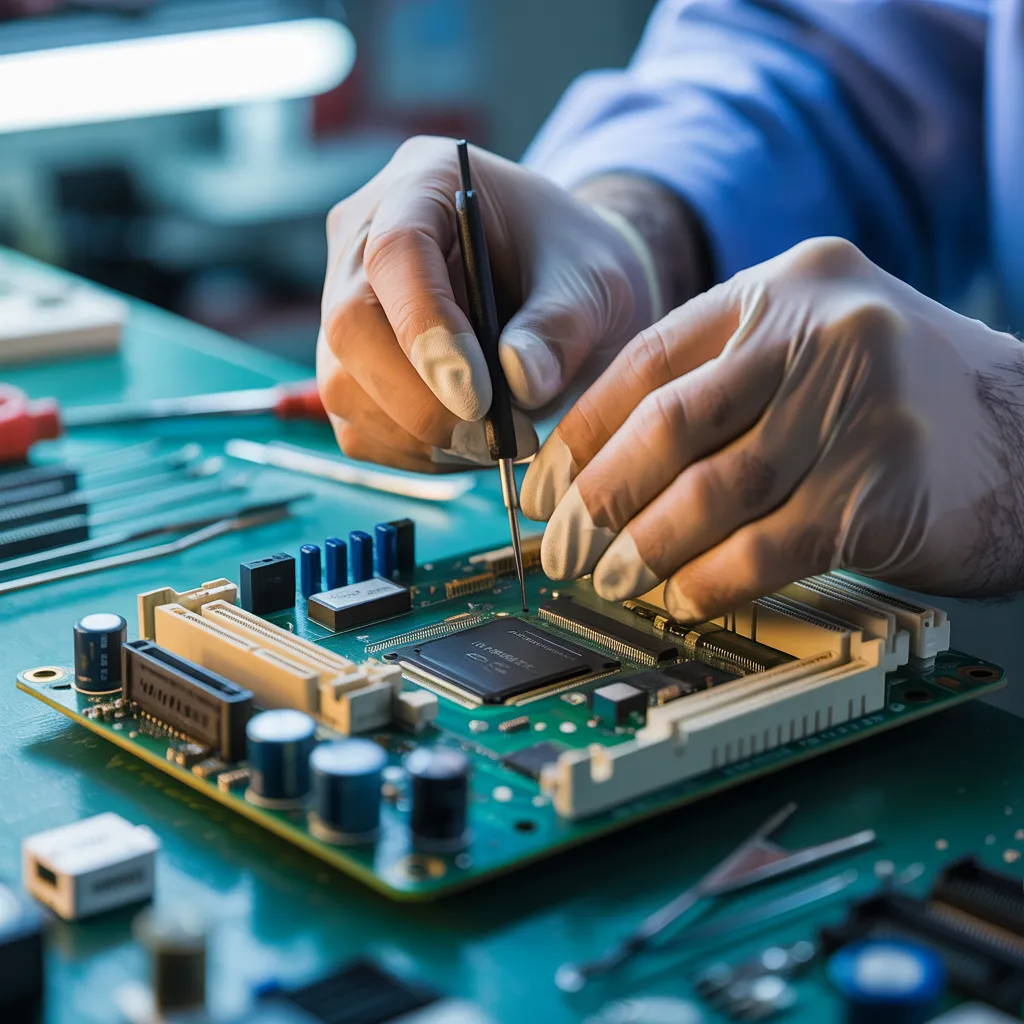
Following this, technicians take apart the electronics, recovering plastics, metals, and glass. This step is critical, as it allows for the recovery of valuable metals like gold, silver, and copper, which can be reused in new electronics.
Subsequently, the sorted materials are processed via cutting-edge techniques, such as mechanical shredding and chemical processing, to cleanse them for reuse.
Finally, the remaining hazardous waste is handled with responsibility, adhering to environmental regulations. This systematic method not only conserves resources but also reduces the dangers associated with unsafe e-waste handling, ensuring a more sustainable future for the consumption of electronics.
Why E-Waste Recycling Matters for You and Your Community
Though many people are unaware, the benefits of e-waste recycling go far beyond individual benefit and actively shape entire communities. By responsibly disposing of electronic waste, individuals help foster a safer environment, reducing hazardous materials that can leach into soil and water. This proactive approach actively safeguards local ecosystems and advances public health.
Moreover, e-waste recycling fosters employment opportunities within local communities. Regional recycling centers frequently need staff for a range of functions, spanning collection through processing, thus generating valuable job opportunities to area workers. This not only boosts the local economy but also encourages community engagement in sustainable practices.
In addition, knowledge about e-waste recycling is capable of inspiring educational initiatives, enabling residents to embrace sustainable practices. By engaging with e-waste recycling programs, individuals foster a culture of sustainability, prompting others to join the movement. Overall, the collective impact of these actions can create a more resilient and environmentally responsible community.
How to Select an E-Waste Recycling Service
Picking the best electronic waste recycling provider is vital for ensuring that e-waste is processed responsibly and sustainably. Initially, consumers should confirm the service's certifications, such as R2 and e-Stewards certifications, which signify adherence to industry standards for secure waste disposal procedures. Additionally, it is advisable to examine the provider's reputation by checking reviews and obtaining advice from dependable sources.
Next, transparency in the recycling process is vital. A dependable provider should supply straightforward details about the way e-waste is handled and what becomes of the materials. Furthermore, assessing the variety of services available can be advantageous; various firms may supply retrieval services or extend benefits for recycling.
Furthermore, learning about regional rules concerning e-waste disposal can additionally influence the decision-making process. When these considerations are given priority, individuals can contribute to efficient electronic waste handling while also advancing sustainable environmental efforts.
How You Can Take Part in E-Waste Recycling?
Getting involved with e-waste recycling may begin at the local level, where local recycling facilities frequently offer essential services for responsible disposal. Furthermore, participating in community awareness campaigns can enhance efforts to raise awareness about the importance of proper e-waste handling. These initiatives not only advance environmental sustainability but also cultivate a collective sense of stewardship of the environment.
Nearby Recycling Facilities
Several neighborhood recycling stations serve a vital function in recycling electronic waste, providing communities with accessible options to manage electronic waste appropriately. These stations receive a selection of electronic items, including outdated computers, mobile phones, and TVs, guaranteeing that dangerous substances are processed safely. The majority of facilities employ knowledgeable personnel who support individuals in understanding proper disposal practices, stressing the significance of recycling instead of landfilling. Furthermore, various hubs coordinate drop-off events or designated collection days, making it easy for residents to participate. By utilizing these local services, individuals contribute to a circular economy, reducing environmental impact and promoting sustainable practices. Partnering with these facilities encourages communities to fight e-waste pollution decisively.
Public Awareness Initiatives
Nearby organizations, schools, and enterprises can collaborate to host events that promote e-waste collection drives. Dedicated participants can take a leading part in spreading awareness, distributing educational materials, and engaging with the community. As a result of these combined actions, residents become more informed and motivated to recycle their electronic waste, thus playing a meaningful role in creating a more environmentally responsible future.
Common Questions and Answers
What Kinds of Electronics Can Be Recycled?
A wide range of electronics are able to be recycled, including smartphones, computers, laptops, televisions, printers, and gaming consoles. Additionally, ancillary devices such as keyboards, mice, and batteries are also suitable for recycling, promoting sustainable environmental practices.
Do Any Costs Come With E-Waste Recycling?
That's correct, e-waste disposal can include charges, subject to the facility. Certain providers impose charges for gathering or treatment, while others provide no-cost solutions, typically funded by the resale of recovered materials.
How Can Businesses Benefit From E-Waste Recycling?
Businesses can benefit from e-waste recycling by reducing disposal costs, improving their green reputation, complying with regulations, extracting valuable resources, and creating potential earnings via resale, ultimately contributing to a more sustainable operational strategy.
What Occurs with Data on Recycled Devices?
Data on recycled equipment is often irretrievably wiped or obliterated during processing. This ensures sensitive information is kept safe, preventing unauthorized access while allowing resources to be reused safely and responsibly in Learn more new products.
Can I Recycle Broken Electronics?
Indeed, non-functioning electronics are able to be recycled. Several centers take in non-functioning devices, ensuring proper disposal and retrieval of precious materials. This helps minimize the environmental footprint while supporting sustainable recycling habits to manage electronic waste effectively.